









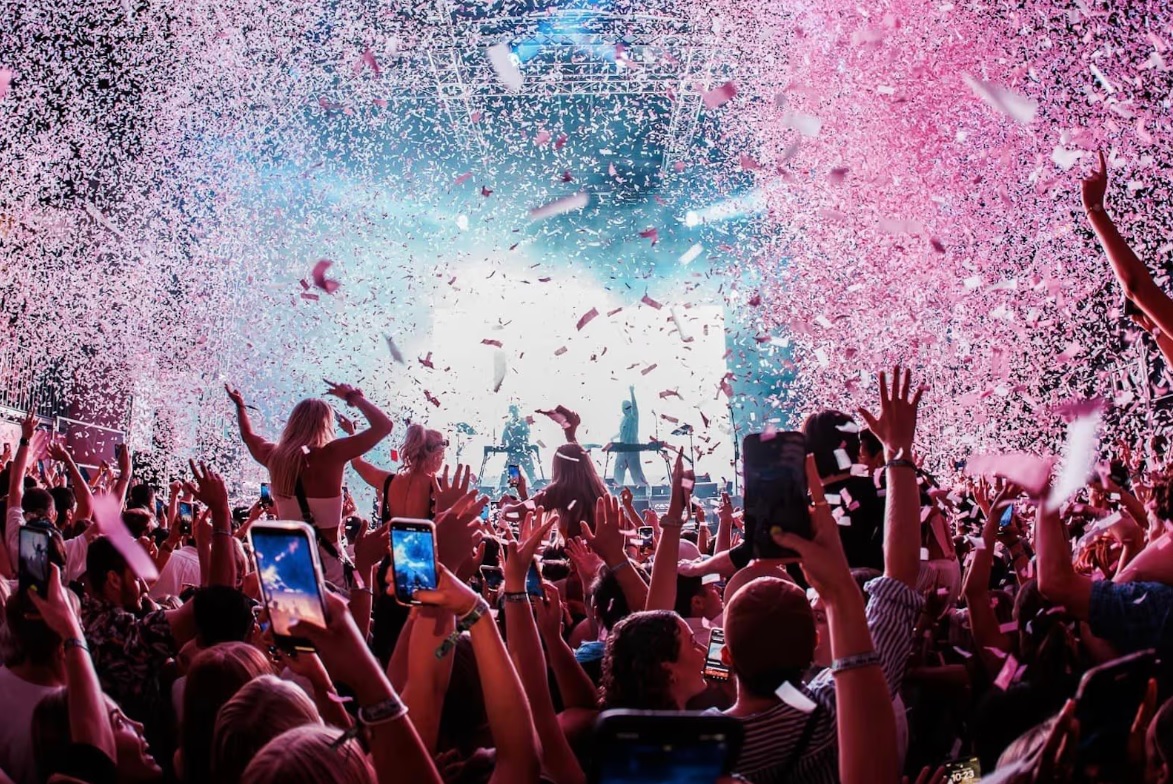
The summer is awash with amazing festivals, catering to music tastes across the spectrum and attracting attendees from all walks of life. What ties these events together is a deep-seated shift in how people approach safety, so rather than seeing big gatherings as a place to go wild and worry about wellness later, we’re seeing an opposite demand from festivalgoers.
Our obsession with festival welfare, often elevated above paying attention to who’s on the lineup, takes a few forms. So, let’s talk about the main reasons behind the change, and what organizers are doing to accommodate it.
Support Without Judgement
There’s a common impression that younger people today aren’t as interested in alcohol and illegal drugs as their elders were at their age. However, that’s being eroded over time as Gen Z gets a little more disposable income. More than that, it’s a case of the choice of party substance changing, so while ecstasy and MDMA once ruled the roost, today it’s ketamine that dominates in many social settings, including festivals.
The demand for effective ketamine detox reflects this, although this is more of a post-festival option. For those looking for support during a major event, being able to access on-site support for the negative side effects of narcotics is a selling point. Most importantly, these services must be judgment-free, because otherwise, they might dissuade those who need them from reaching out.
Sanctuary In the Chaos
Mental health awareness is a staple of the modern world, and recognizing the needs of neurodivergent festival attendees has become another must for any event that wants to sell as many tickets as possible. Even something as simple as a chill-out tent, a long-standing staple of the festival scene, might not be enough. We’re now seeing more events adding specific sanctuaries with on-call mental health workers capable of soothing those in the throes of a crowd-induced crisis.
On top of that, safe spaces that anyone can retreat to, regardless of their needs, are being offered in part to rehabilitate the imperfect reputation festivals have for protecting their more vulnerable fans. Again, it’s a process of giving people access to services that are actually useful, and aren’t just about selling more alcohol, food, or merch.
Hygiene as a Basic Right
Last but not least, festival welfare must now encompass not just a greater volume of basic amenities to keep attendees feeling clean and fresh, but also higher-quality amenities, rather than a bare minimum that is poorly maintained.
Toilets and shower blocks that get regularly cleaned and actually work around the clock, rather than being completely disgusting and/or non-functional, make all the difference. And social media is partly to blame, because most people want to be Insta-ready at any point, rather than descending into goblin mode for days on end.
All this combines to make festival welfare the watchword of popular events at the moment. Music fans will look out for those that strive to keep them safe while still delivering killer lineups, and organizers have a duty of care they can’t sidestep.